
Mr Thabo Nkosi
Jigs that stay open
Why we share ceramic jig files instead of locking partners out.
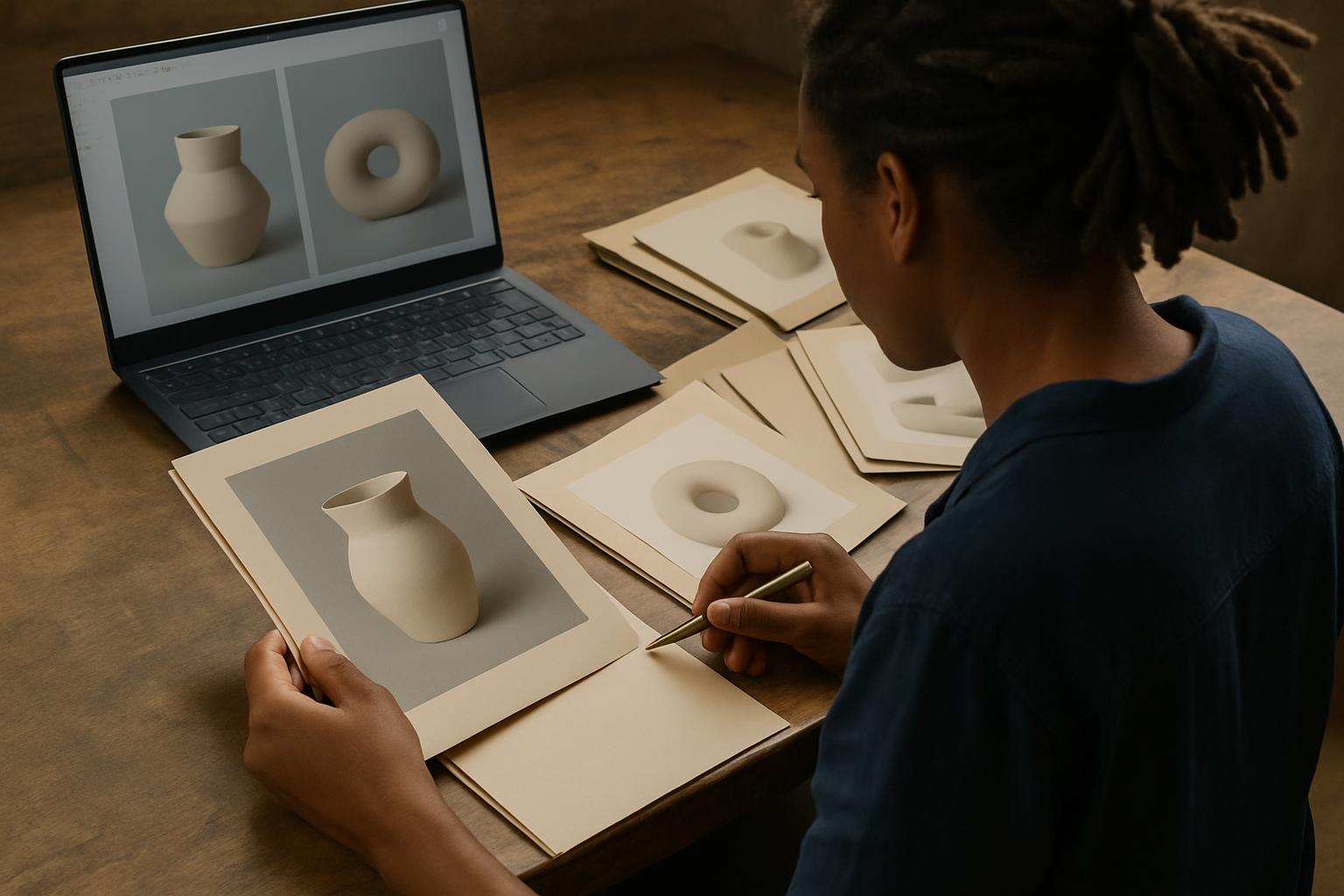
Our studio in Durban sees a lot of movement, whether it is the sticky air in summer or the hum of new ideas coming in from the coast. One thing we keep steady is our commitment to open tools, especially when it comes to the jigs we make and share for ceramic work.
Read it alongside the Ceramic Studio Jig page.
Starting with the first Jig
The Ceramic Studio Jig began as a solution to an age-old problem: how to help smaller ceramics studios make repeatable plate and vessel blanks without wasting hours on setup for every shape. Our first jigs used offcuts of imbuia and kiaat from the cabinet making pile, shaped by hand and planed until they ran true. We worked to a tolerance of plus or minus one millimetre, nothing more. This was good enough for hand-thrown or press-moulded stoneware, which can shift slightly as it dries anyway.
What made a difference was capturing the geometry as a DXF file. We layered this into a simple, sharable format, so whoever wanted to could cut out their own jig base on a router or send it to a neighbour with a CNC. There was no mystery, no locked up box. The only ask: oil lightly after each batch to keep the guide smooth and avoid warping in the Durban humidity.
Why we open our files
Locking up a jig file would make very little sense here. Many of our collaborating potteries do not have massive budgets for new tooling every season. We have seen what happens when access is limited: a school in Pinetown had to reuse warped MDF forms because nobody would share a fresh guide file. This led to plates that rocked on the table and trays that wouldn’t nest. Those problems ripple out into frustration and waste.
By comparison, the open DXF file means a studio in the Lowveld, or a new ceramicist working at home in Woodstock, can make their own jig with a trip to the local timber yard. It costs us nothing to send the file. Practically, it also means we get feedback about tweaks. One partner in the Karoo suggested a notch for easier release, which we never would have thought of working only in our coastal studio.
Keeping jigs useful and honest
Every so often we see a borrowed jig come back to us battered or full of old slip. Sometimes someone skips the oiling and the hardwood starts to swell. We have also seen partners try to use the same jig for raku and porcelain, not realising how much the clay body and drying speed affect the outcome. Then there are the bakkie rides where a jig gets left in the sun, warping out of spec.
We learnt to add a simple setup note with every file: keep to batches of thirty or fewer, oil the guide after each run, and store under cover. These are not just fussy rules, they mean the next person does not waste their day fixing what the last one broke. A good jig should outlast the first project, adapting rather than locking anyone out.
- Limit to small batches (under thirty pieces at a time).
- Wipe down and oil lightly after use.
- Store flat, out of direct sunlight.
- Don’t force a guide to do what it was never designed for (raku, porcelain, stoneware all behave differently).
- If you improve it, send the change back, everyone benefits.
Lessons from sharing, not hoarding
In our years running collaborations from Durban, we have collected stories. The strongest results come not from trying to own an idea, but from letting others put their hands on it and shape it further. Open jigs mean a studio in Joburg can teach the next person without fear of losing their edge. It means the first run of new plates for a Karoo guesthouse can come out right, without us having to courier a hardwood form across the country.
We handle all requests for jig files through the atelier’s inbox. Sometimes the reply takes a day or two, but the answer is almost always yes. That small act of open sharing keeps the work honest and local, and it is how we want to keep it.
Where to go next
See the Ceramic Studio Jig specs, then the install notes. For a full room brief, the Maker residency or Brand collab studio pages walk through a visit week. Finish samples live under finishes, and you can book a sample hour at a showroom.