
Cape Town
Sea Point cafe objects
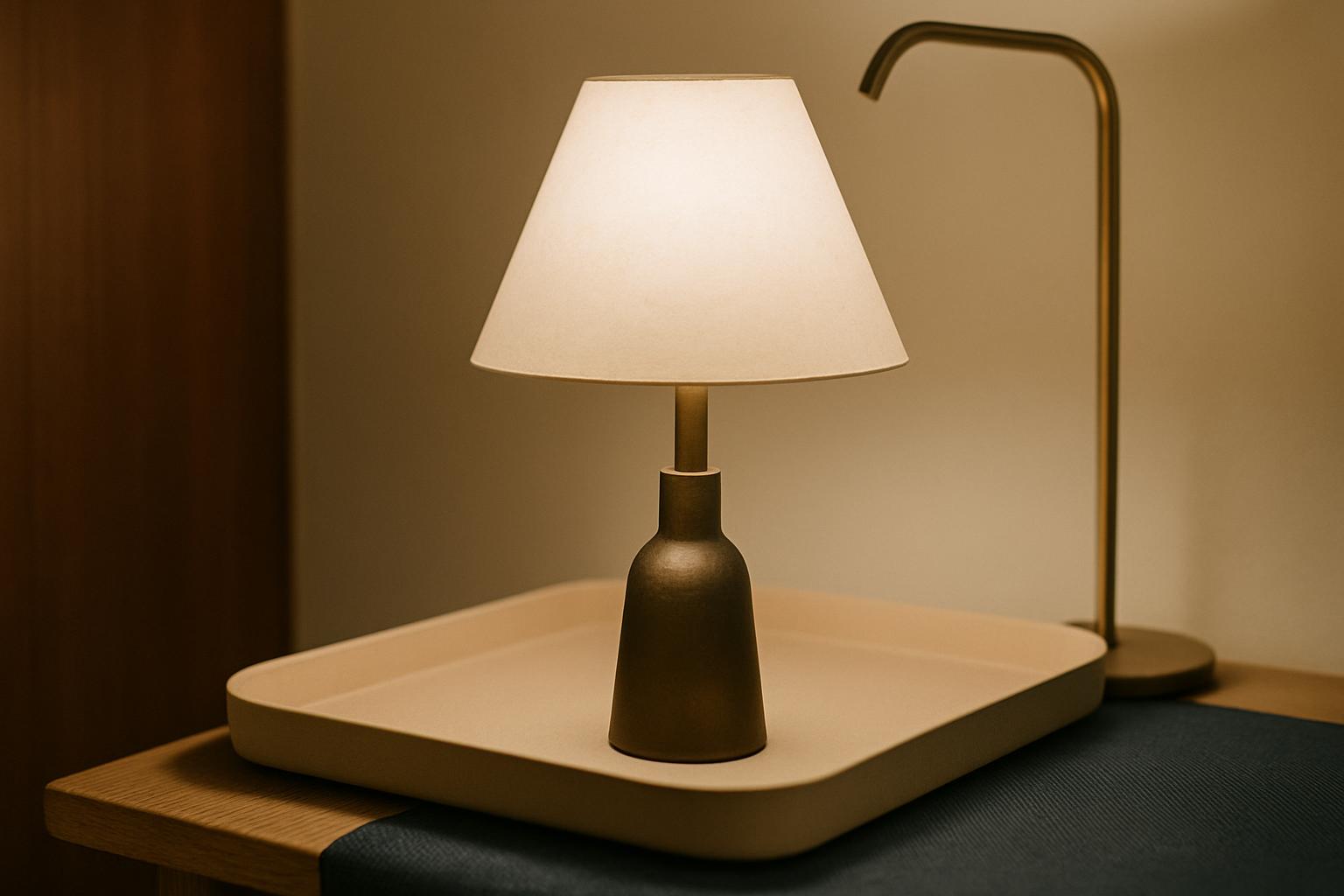
Tray stacks and a small lamp for a coastal cafe.
Field notes from the sea point cafe site
Early autumn along Cape Town’s Atlantic coast, we visited the compact cafe space just off the Sea Point promenade. Humidity from the sea air, foot traffic from morning joggers, and a steady stream of regulars guided the selection of durable materials and finishes. The brief called for stackable trays for pastries, a modest lamp for the window counter, and a wall shelf for cups and odds and ends. Access was tight, so each object had to be sized for narrow doorways and slender counters.
Our Veld Trays were cut from birch ply, sealed with a matte marine lacquer to fend off salt and sticky sugar. Stackability mattered: the trays nest at just under 70mm high per tier. The Baobab Lamp, at 26cm tall, used a powder-coated steel base anchored with a slip-resistant pad, essential for a breezy spot so close to the sea. Finally, a Harbour Shelf in solid ash anchored into a masonry wall with hidden fixings, providing storage above the splash zone of the espresso machine.
What worked and what we took into later jobs
The Sea Point cafe demanded objects that could cope with wind, spills, and constant use. Several solutions carried through to future work. The powder-coated lamp base, tested here, held steady in both coastal and inland locations. Our tray stack design proved useful in venues with limited shelf space. Laminated ash and birch ply, properly sealed, resisted swelling even in humid spells. The shelf’s hidden fixings gave a clean result and were simple to install during off-hours, a lesson we kept for busy spaces.
- Powder-coated bases for stability and corrosion resistance
- Stackable trays for efficient storage
- Matte marine lacquer for protection against spills and salt air
- Hidden shelf fixings for a seamless appearance
What we would change next time
While the marine lacquer held up well, the tray edges took a few nicks from heavy mugs and overzealous stacking. Next time, we would radius the tray corners more generously and test a harder edge sealant. The lamp’s cord, though unobtrusive, needed better concealment where it met the plug point, future models could include a wall bracket to keep cables off damp floors.
We also noted that the ash shelf, although robust, needed spacers behind the wall brackets to accommodate older, uneven plasterwork. For coastal sites, we’d pre-drill extra drainage holes in timber shelves to prevent water buildup during thorough cleaning. These notes now guide our specifications for any site with similar conditions, whether on the Cape coast or upcountry.
- Round off tray corners and reinforce edges
- Redesign lamp cord management
- Add wall bracket spacers for uneven masonry
- Provide drainage holes in timber shelves for wet cleaning