
Stellenbosch
Stellenbosch tasting light
Canopy pendants over a wine estate tasting table.
Field notes: Stellenbosch tasting light brief and site
Our workshop was invited to configure lighting for a wine estate’s tasting table in Stellenbosch. The brief: canopy pendants to run the length of a solid oak table, finished to echo the estate’s rough masonry and vineyard horizon. The existing space had a low, lime-washed ceiling and thick walls that trap both cool Karoo air in winter and the Highveld’s summer heat. Windows faced west, so we needed to balance harsh afternoon sun with gentle, focused table light come evening tastings. Electricity points were limited: only two ceiling drops within reach of the table. The room’s acoustics were lively, so adding too much hard surface was out. They wanted a tactile, inviting mood in the tasting area, avoiding anything that felt too polished or hotel-like.
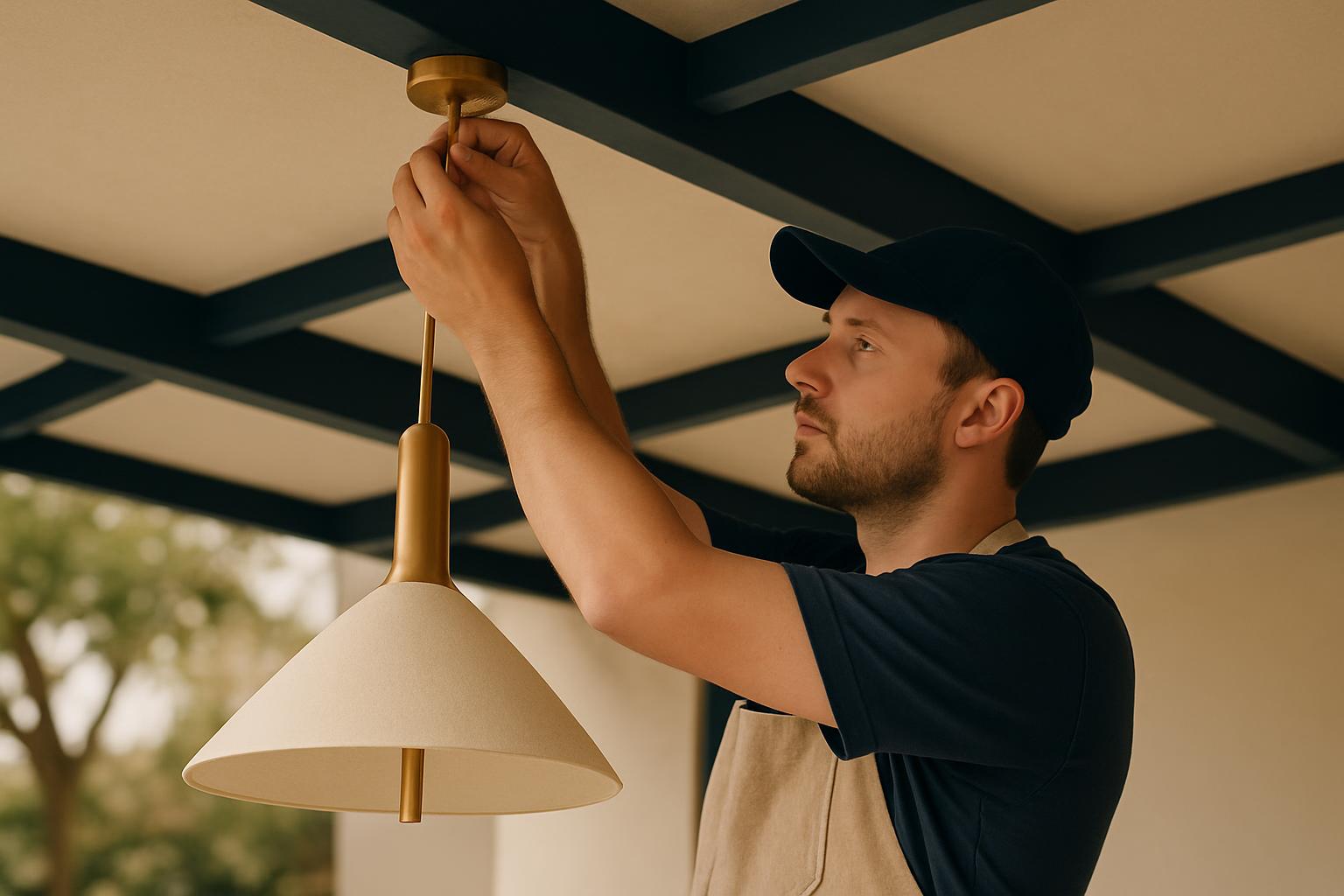
We chose the Canopy Pendants for their wide spun-metal shades, finished in a muted bronze patina that picks up on the winery’s old floor tiles and coppery wall sconces. Each pendant was fitted with a linen-covered flex, looped through hand-forged ceiling hooks to allow for height adjustment. Between pendants, we installed our Maker Mark Brass discs, which catch the softest edge of the light and scatter it across the table. The Veld Tray, in oiled timber, was set out for decanters and glasses, anchoring the centre of the table with a nod to old Cape joinery.
What worked and transferred forward
We learned at Stellenbosch that balancing materials is key, especially where old architecture meets new fittings. Siting the pendants with adjustable drops let us tailor light levels for different times of day. Using hand-finished brass details introduced warmth and kept the space from feeling too ‘restaurant’. These lessons fed into later jobs where similar heritage constraints and multi-use requirements cropped up.
- Layered, adjustable lighting using canopy pendants with variable drops.
- Hand-finished brass elements to bring warmth and reflectivity.
- Linen flex cables for a softer, tactile finish.
- Modular timber trays to break up large surfaces and encourage sharing.
What we would change next time
Next time, we’d allow for more flexibility in electrical planning from the start, pushing for an extra drop or two so pendants can be split along longer tables. We’d also finish the brass discs with a matte seal to prevent fingerprints in high-touch areas. For the Veld Tray, we’d consider a darker oil finish to hide red wine marks and echo the deep tones of Stellenbosch soils. Lastly, we’d prototype with the actual tasting glassware ahead of installation to check for reflections and shadow lines on the table during both day and night tastings.