
Mr Pieter Botha
Brass patina notes
Muted brass care when Highveld dust meets coastal air.
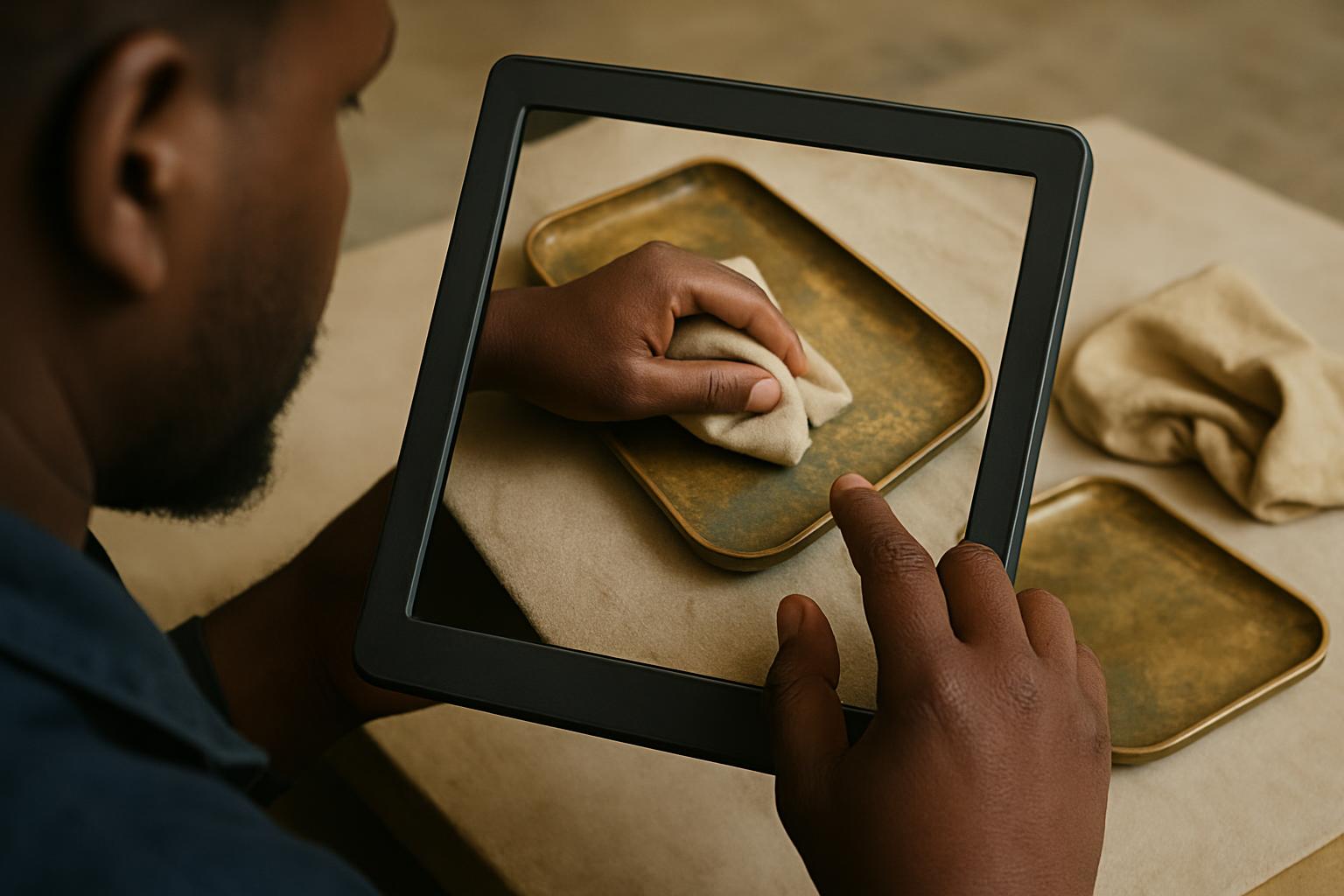
Brass has a life of its own, especially in South Africa where dust storms from the Highveld and damp Cape breezes can meet on the same piece of metal. In my years on the install and care side, I have come to respect how a simple brass mark, like our Maker Mark Brass, can tell a story in colour, tarnish and touch.
Read it alongside the Maker Mark Brass page.
Understanding muted brass in mixed climates
Our Maker Mark Brass is cut and finished in small batches, always in solid brass. We keep the finish deliberately muted, not mirror-bright, which means it takes fingerprints and local air straight to heart. On the Highveld, fine red dust settles on every surface, especially after a dry spell, and can work its way into the brass grain. Along the coast, the salty air from Durban or the Cape can leave a white-green haze overnight. Over a few months, these marks develop their own patchwork, depending on which region your piece lives in.
Daily care: keeping marks looking intentional
For homes or foyers with both foot traffic and a breeze through the corridor, gentle care is best. The muted finish is designed to hide light wear but it will show oil or acid marks from hands or cleaning sprays. I have seen beautiful marks ruined by harsh scouring sponges or by using chemical cleaners meant for taps. The best approach is to use a soft, dry polishing cloth, moving with the grain of the metal. If you must, a little soapy water on a microfibre cloth will lift settled dust, but brass hates to sit wet. Dry immediately with a clean cloth, or you will see tide-marks the next day.
Patina mistakes: what we’ve learnt in the field
We’ve had calls from wine estates and gallery managers about marks turning patchy or even streaked with green after a humid summer. This is usually from moisture left under the mark or screws that trap water. In one Karoo cafe, a brass mark near the stoep window turned black within weeks after a windy spell, where dust from the car park stuck to some spilled coffee during a late afternoon rush.
Another classic error is using furniture polish with silicone, which leaves a cloudy layer on the surface. Brass is not like stainless steel, so avoid metal polish pastes unless you want to restore the yellow shine (and lose the muted look).
- Only ever use soft cloths: old cotton t-shirts work well.
- Never leave cleaning products or water to dry on brass.
- Fit marks with care to avoid trapping moisture behind them.
- If you see white spots, dab gently with vinegar then rinse and dry quickly.
- For green streaks, a paste of bicarb and lemon works but test a corner first.
Fitting for the long term: practical steps
When we install a Maker Mark Brass on a studio door or in a cafe, we always check for exposure to direct rain or salty air. A little wax polish after fitting helps repel water, but the most important step is to fit the screws tightly and seal any backplate if there is a risk of water blowing in from behind. For sites on the Cape Flats or near Joburg’s mine dumps, extra dust-proofing helps. Wipe down the area before fitting, and avoid touching the brass with oily hands.
If you move a mark from a dry spot upcountry to the coast, expect the brass to shift in colour and texture as it adjusts. This is natural and part of the story. We keep spare screws in the bakkie in case of a dropped fix on a windy day, and always give clients our direct line for care questions, but the golden rule is simple: care soft, care dry, let the brass breathe. For extra guidance, you can reach our team at atelier@creationafrica.co.za.
Where to go next
See the Maker Mark Brass specs, then the install notes. For a full room brief, the Maker residency or Cultural venue studio pages walk through a visit week. Finish samples live under finishes, and you can book a sample hour at a showroom.