
Studio
Cultural venue
Commissions for museums, halls, and cultural foyers.
Outcome
A venue that hosts makers cleanly.
Steps
- Walk the foyer
- Load-check floor
- Agree mark placement
A venue visit: step by step
When we receive a brief for a cultural venue, we start with boots on the ground. Arriving early, we walk the foyer with the curator or facility manager, checking the flow from entrance to gathering spaces and taking note of sightlines for pieces like the Foyer Plinth and Maker Mark Brass. We look at how sunlight falls through the windows in the morning and how the artificial lights play off the walls come evening events. Each cultural space is different: a Joburg gallery foyer has a hum of anticipation, while a Lowveld heritage hall has echoes from the old railway floorboards.
Next, we check the load-bearing strength of the floor or deck, especially where a heavy hardwood Foyer Plinth might stand. Some venues in older buildings have timber floors that flex or may need shims. A new museum wing might have polished screed ready for almost anything, but we still measure and double-check. We work closely with the site manager to make sure our objects will settle in safely, without strain on the venue’s fabric.
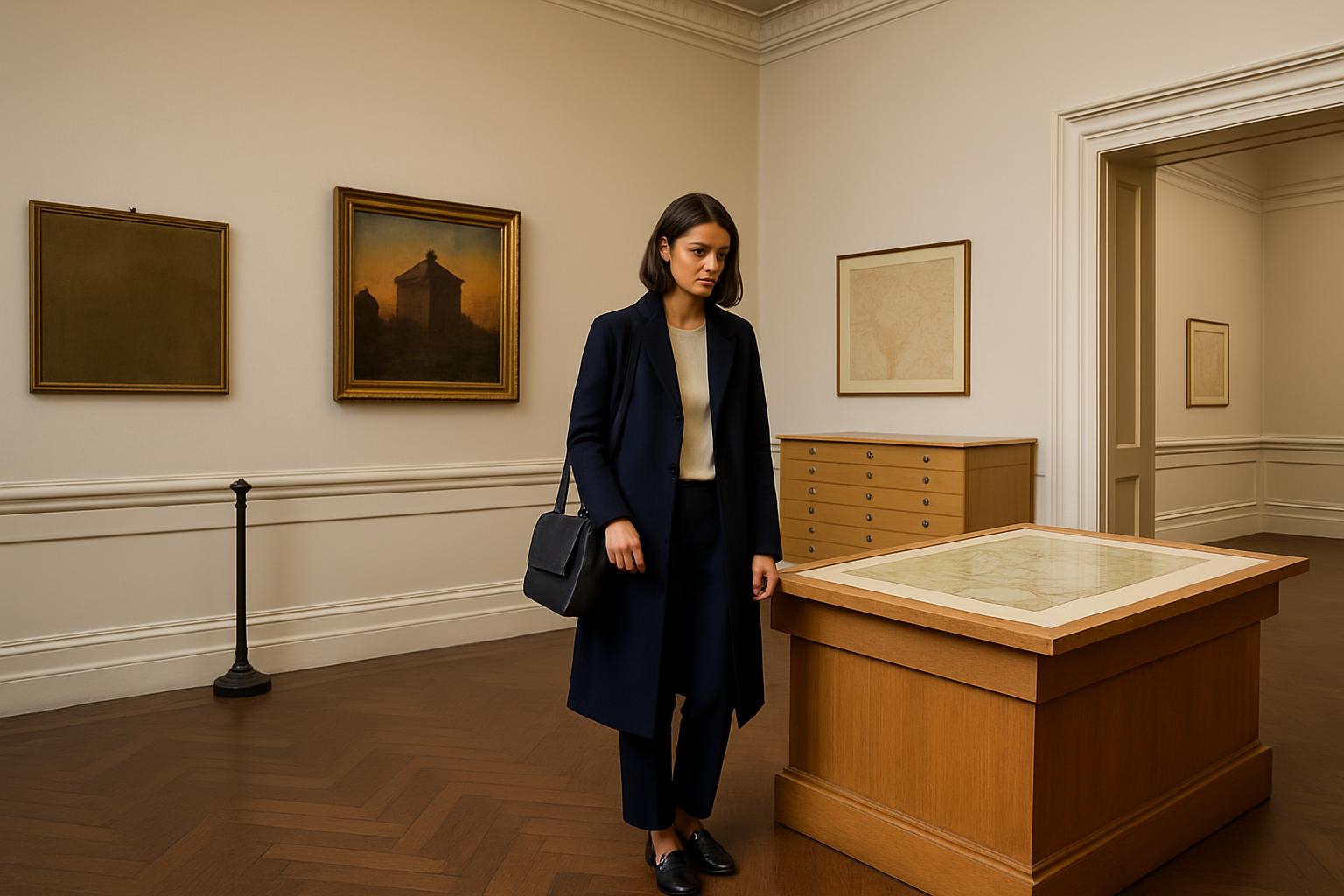
Placement is the last agreement. We mark out the exact spots for every object: the Map Cabinet South must be accessible for school groups studying maker routes; the Brass Mark gets fixed at a height where all visitors can spot the studio’s contribution. We make chalk marks and use painter’s tape to avoid confusion. Before leaving, we photograph placements so everyone’s memory matches up, especially when install day comes around.
On-Site checklist for a clean install
There’s a knack to keeping these visits running smoothly. Here’s what we tick off before leaving any cultural venue:
- Confirm floor load limits and clearance for plinths and cabinets.
- Photograph and mark out exact placement spots with tape and chalk.
- Check for access: avoid blocking emergency exits, fire panels, or interpretive signage.
- Discuss and confirm wall fixings for brass marks (drilling permissions, wall type).
- Note any delivery obstacles: tight corners, lifts, or old stone steps.
Where venue installs go wrong, and how we handle it
Cultural venues often have hidden quirks. We’ve learned that floor slopes and wall materials are never quite as the original plans claim. Sometimes, a plinth meant for a sculpture has to pivot ninety degrees to avoid an underfloor gallery vent. Wall fixings for the Brass Mark can uncover old wiring not shown on the plans. This is why we come prepared with shims, a range of rawl plugs, and three types of stone drill bits. We always measure twice, and if something feels off, we check again with the facilities team before drilling or anchoring.
Another snag is last-minute layout changes. A curator might spot a better spot for the Map Cabinet South, or a new exhibition banner appears after our site visit. That’s why we keep our schedule flexible and always carry spare tape and marking chalk. We follow up with a confirmation mail and the marked-up placement photos so everyone is aligned before installation begins. If you want to discuss a commission for your cultural space, just drop us a line at atelier@creationafrica.co.za.