
Ms Zanele Mokoena
Plinth quiet craft
Hardwood plinths that lift sculpture without stealing it.
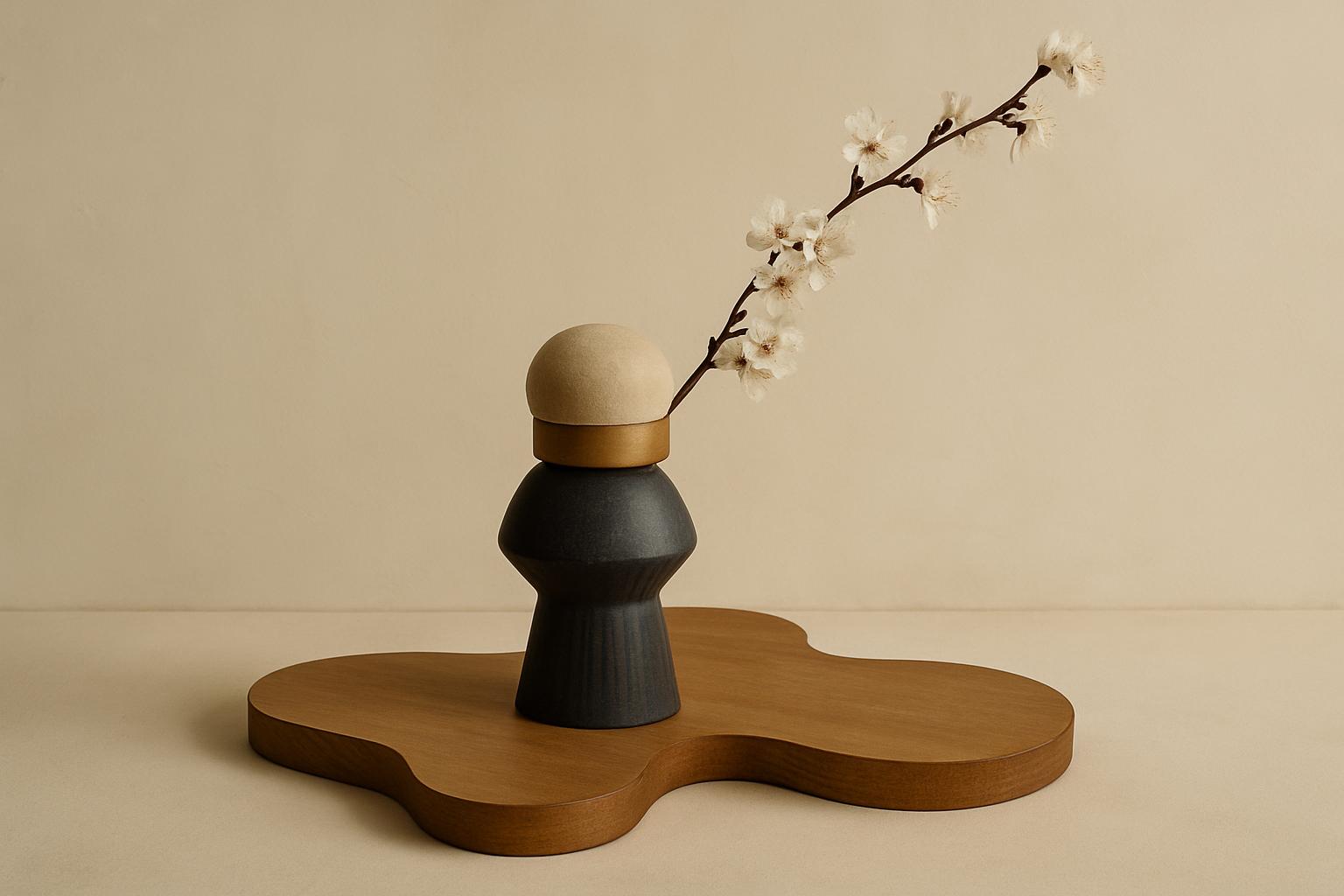
In our Woodstock atelier, we see the plinth as a quiet but vital companion to any sculpture. It asks for restraint, patience and a real respect for both material and the artwork it lifts.
Read it alongside the Foyer Plinth page.
The right timber for the job
We work almost exclusively in solid hardwood for our Foyer Plinths. It is not only about appearance: South African hardwoods like kiaat, oak and ash offer a dense, stable base that resists warping in the Highveld winter or the muggy Durban humidity. Plinths made with softer woods develop dents and sway under weight, which becomes obvious after a few market seasons or a single heavy bronze. The grain of hardwood, once sanded and oiled, gives a subtle anchor to even the most delicate ceramic or glass piece without overpowering it.
In the workshop, our teams select boards with the straightest grain for stability. Timber is acclimatised inside the studio for at least a week before cutting, especially during Cape Town’s rainy season, to prevent shrinkage lines or open joints later on. We’ve learned that a rushed plinth is a cracked plinth.
Proportion and placement
A plinth must serve the artwork, not itself. The Foyer Plinth’s top measures 400 x 400 mm, which is deliberate: wide enough for most gallery editions, yet compact enough to avoid crowding a hotel foyer or school entrance. We set the height at 900 mm for a reason. Too high and the viewer loses connection, too low and the sculpture gets lost in a sea of legs and shoes.
Plinths are often lined up for an opening night, but we always advise clients to test the spacing with the actual artwork on top. A mistake we have seen is cramming too many plinths together in a small stoep or foyer. The effect is like a taxi rank at rush hour, with each piece fighting for attention.
Joinery, finish and the hidden details
People seldom notice the base, but a wobbly plinth ruins the whole atmosphere. In our shop, every joint is reinforced with hardwood dominoes. The corners are hand-sanded after glue-up, so there is no chance of a sharp edge catching on a child’s school jersey or a gallery visitor’s sleeve.
We finish each plinth with natural oil, which does more than just bring out the grain. Oiled surfaces can be re-treated after a year or two, unlike sprayed lacquers that chip and become sticky in the Lowveld heat. The brass foot is a detail many ignore, but it lifts the timber just enough to let air circulate beneath, especially on tiled or concrete floors during a Cape southeaster. This small lift also saves the base from getting scuffed by brooms or a bakkie's muddy boots if used in a wine estate foyer.
Caring for your hardwood plinth
A plinth may seem static, but it needs some attention to stay at its best. The most common mistake we see is wet mops and commercial cleaners, which bleach the oil and leave streaks. We recommend a soft dry cloth for dust, and an occasional wipe with a lightly oiled rag if the timber looks thirsty.
Some simple do’s and don’ts for South African conditions:
- Never drag a plinth when placing heavy sculpture. Always lift, or the foot can loosen.
- Avoid direct sun in the Karoo or Highveld. Prolonged exposure warps hardwood, even the best oak.
- Keep the brass foot clean with a gentle polish, but never use steel wool.
- If the oil finish dulls, a quick re-oil with a lint-free cloth restores lustre.
- Contact us at atelier@creationafrica.co.za if you spot cracks or loose joints. We prefer to repair our work before it becomes a problem.
Where to go next
See the Foyer Plinth specs, then the install notes. For a full room brief, the Foyer commission or Museum edition studio pages walk through a visit week. Finish samples live under finishes, and you can book a sample hour at a showroom.