
Ms Zanele Mokoena
Canopy light without glare
Laser shade density that softens foyer bulbs on SA voltage.
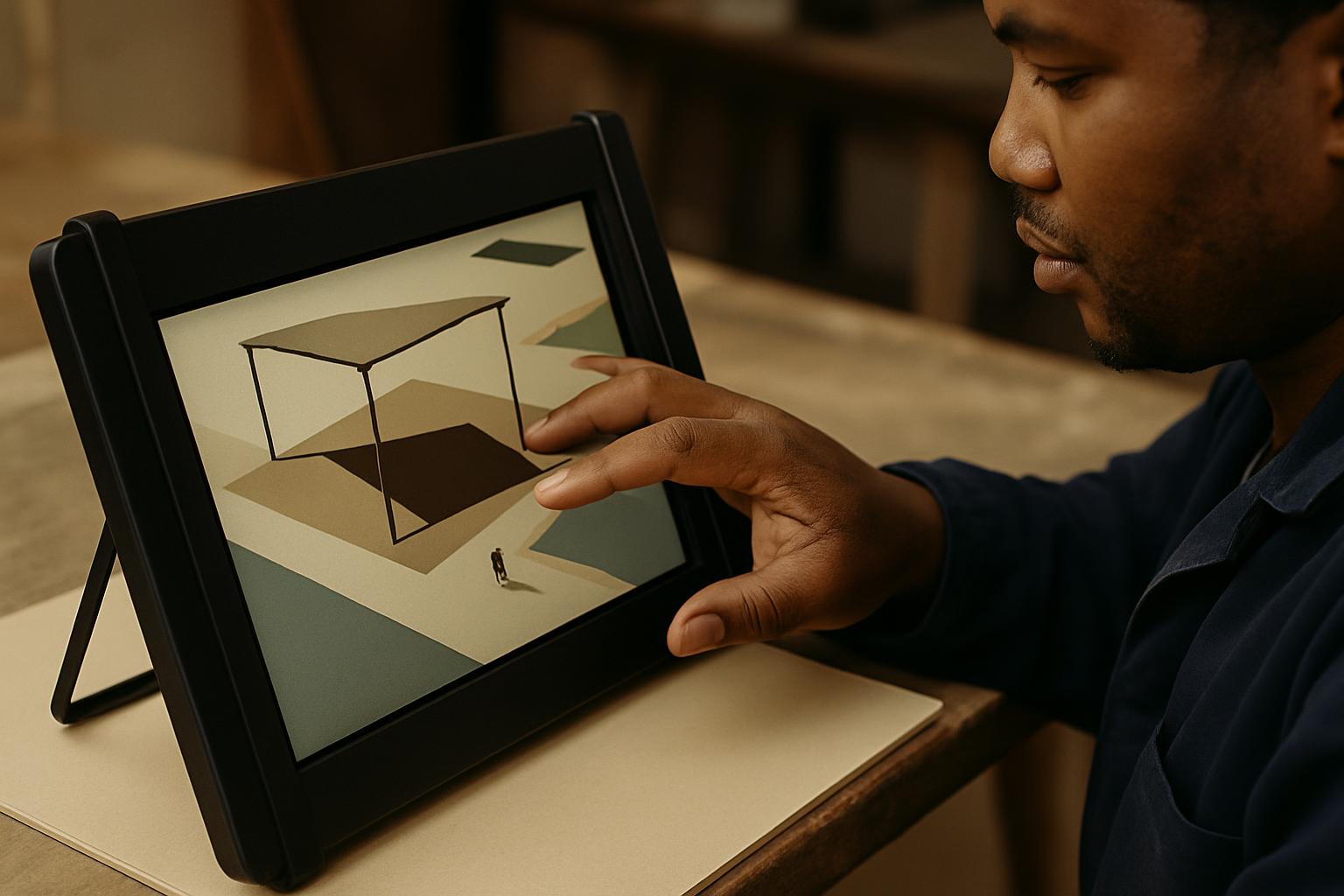
In South Africa, foyer lighting has to do more than look good. Harsh bulbs and shiny surfaces often throw glare across floors and entryways, especially where voltage runs strong and ceilings are not as high as we would like. As the Managing Director at Creation Africa in Woodstock, I am often drawn into the details of how to soften a room with materials that actually work in our climate.
Read it alongside the Baobab Lamp page.
The problem of glare in South African foyers
Many entrance spaces here are tiled or painted with a high eggshell finish, which bounces light straight back at your eyes if you’re not careful. South African voltage can be unforgiving: a standard E27 bulb will burn brighter than its European cousin, and a naked globe in a small room might leave your guests squinting before they get to the stoep. We’ve seen this in new builds from Umhlanga to the Winelands, where the intention is welcoming but the first impression is clinical, with hard light bouncing off the floors. In several foyers, especially those with north-facing windows, the combination of sunlight and straight-down bulbs makes for a sharp, unwelcome glare just where you want things to feel inviting.
Designing the Baobab Lamp: lessons from trees and timber
When we designed the Baobab Lamp in our Woodstock atelier, we wanted to borrow from the way tree canopies in the Lowveld and Highveld filter light. The base is turned from South African hardwood with enough mass to feel steady on a tiled foyer table. Above it sits a laser-cut birch shade, shaped so the light travels through a pattern of denser and sparser slots. This isn’t just for looks. The density of these laser cuts was chosen after we tested several prototypes in our own front room, aiming for a spread that softens but doesn’t block the bulb. Too open, and the strips of birch simply make stripes on the ceiling. Too tight, and the lamp glows dimly, which doesn’t help anyone find their keys at night.
Finding the right balance was a process. We worked with 4 mm and 6 mm birch ply, settling on a thickness that holds its form in coastal humidity but doesn’t warp like cheaper veneered imports. The pattern itself was inspired by baobab crowns seen when driving through Limpopo, where the light is always filtered, never harsh. It’s a shape that feels gentle, and it’s practical for South African voltage and typical lamp heights: the Baobab Lamp stands 480 mm tall, perfect for foyer consoles.
How laser shade density changes real rooms
A laser-cut birch shade lets us control how much light escapes in every direction. Some clients want to use filament LEDs, others prefer old-fashioned bulbs, but in both cases the shade’s density matters more than the bulb brand. We have seen a few mistakes over the years:
A shade pattern that is too open means you’re back to bright spots on the tiles and marble. If you go too dense, the foyer feels gloomy or yellowed, especially under Joburg’s winter light. The sweet spot is a regular grid with varied slot width, so you get diffuse, dappled light on the floor with no direct line of sight to the bulb from standing or seated height.
The Baobab Lamp’s laser shade is designed so the light diffuses outwards, not downwards in a blinding cone. We recommend dusting it with a soft cloth to keep the birch bright and natural. In foyers with high traffic or Durban humidity, birch performs better than most woods, keeping its crisp lines for years.
- Too open: sharp stripes and glare on the floor.
- Too dense: foyer looks dull and unwelcoming.
- Wrong timber: shade warps in humidity or cracks in dry winter.
- Incorrect lamp height: direct view of bulb from the door.
- Cheap finish: flakes and yellows after a year.
Fitting and care: practical tips for South African homes
Installation is straightforward. The Baobab Lamp fits a standard E27 fitting, so you won’t need to rewire or chase walls. We recommend using an LED bulb for longevity, but be mindful that some LEDs run cooler and need a shade that won’t trap too much heat. The hardwood base stays steady on a hall table, even if you’ve just come in from rain and put your bag down with a thunk.
The laser birch shade should not be wiped with a wet cloth, especially in the Cape southeaster or during a Highveld thunderstorm, as this might cause swelling. Dust it gently every few weeks, and avoid placing it directly under aircons or in the path of open windows, where draughts can carry in fine grit. Our typical lead time is 3 to 4 weeks, as each lamp is made in the Woodstock workshop. For special dimensions or site challenges, just email atelier@creationafrica.co.za and we’ll help you plan the right fit. With the right shade density and simple care, foyer lighting can feel soft and welcoming, never harsh.
Where to go next
See the Baobab Lamp specs, then the install notes. For a full room brief, the Foyer commission or Residential atelier studio pages walk through a visit week. Finish samples live under finishes, and you can book a sample hour at a showroom.